
30 Interesting Science Facts for Students in 2026
Introduction
Today, science is undergoing many changes globally, and it’s transforming our lives. Previously, you only studied science in books, but today it’s not limited to just books or formulas.
Many students think science is boring, but the truth is, science is full of amazing, fun, and mind-blowing facts that can change the way you see your everyday life.
In this article, I will tell you about 30 interesting science facts for students in 2026.
I will share facts that are easy to understand, based on real science, useful for your school and college studies, and easy to remember.
If you are a student who wants to learn science in an easy and fun way, then this guide is perfect for you.
Why Students Should Learn Science Facts
Learning science facts isn’t just about acquiring knowledge.
Learning science isn’t just about gaining information; science is a subject that helps any student think and understand better. Today, science is transforming our lives. Science facts should be learned because:
• They spark curiosity
• They make learning fun
• They help with exams and projects
• They develop logical thinking
• They connect science to everyday life
Therefore, knowing interesting science facts is very important for students in 2026.
30 Interesting Science Facts for Students in 2026
Here I am sharing 30 science facts with you about physics, chemistry, biology, space, and things you encounter in your everyday life.
I have explained all these facts in simple and easy-to-understand language.
Read this article to learn more about 30 Interesting Science Facts for Students. 30 Interesting Science Facts for Students
🔬 Biology Science Facts

1. The Human Brain Uses Very Little Energy
Your brain uses about 20 watts of power, which is less than a small light bulb.
Yet, it controls:
Thinking
Memory
Emotions
Body movements
This shows how powerful the human brain really is.
2. Humans Share DNA with Bananas
Humans share about 60% of their DNA with bananas.
This does not mean humans are bananas.
It only shows that living things share common biological structures.
3. Your Body Replaces Cells Constantly
Most cells in your body are replaced every 7 to 10 years.
Examples:
Skin cells change every few weeks
Blood cells change every few months
Your body is always renewing itself.
4. The Human Nose Can Remember 50,000 Smells
Your nose is very powerful.
It can:
Recognize thousands of smells
Trigger memories linked to smell
That’s why certain smells remind you of childhood or food.
5. Bones Are Stronger Than Steel
Bone by bone, human bones are stronger than steel of the same size.
Bones are:
Light
Flexible
Strong
This helps the body move and stay protected.
If you want to learn more about artificial intelligence, click here. 10 ways in which artificial intelligence
⚗️ Chemistry Science Facts
6. Water Can Exist in Three States Naturally
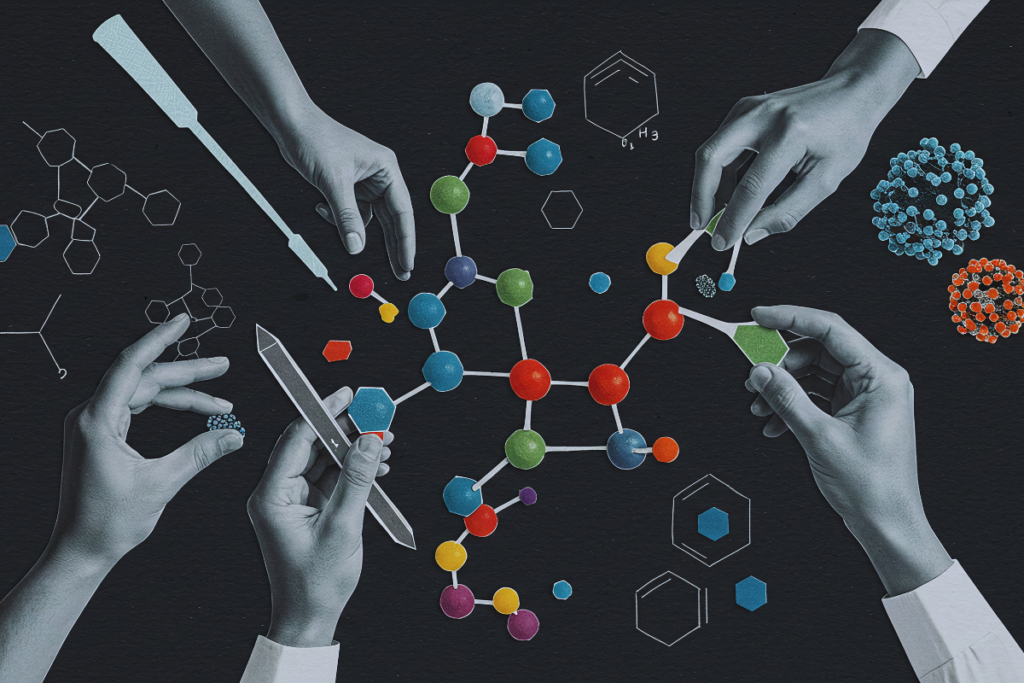
Water exists as:
Solid (ice)
Liquid (water)
Gas (water vapor)
Very few substances can exist naturally in all three states.
7. Fire Needs Oxygen to Burn
Fire cannot exist without oxygen.
That’s why:
Fire goes out in space
Fire stops when covered
This is a basic but important science fact.
8. Pure Water Has No Color
Water looks blue in oceans, but pure water is colorless.
The blue color is due to:
Reflection of the sky
Depth of water
9. Diamonds Are Made of Carbon
Diamonds and coal are both made of carbon.
The difference is:
Pressure
Temperature
Structure
That’s why diamonds are hard and shiny.
Do you know which are the best AI tools for students? Read Best AI Tools for Students That Make Studying 10x Easier to find out.
10. Chemical Reactions Happen All the Time
Examples of daily chemical reactions:
Digestion of food
Rusting of iron
Burning fuel
Chemistry is part of everyday life.
🌍 Physics Science Facts
11. Gravity Is Different on Every Planet
Your weight changes on different planets.
For example:
On the Moon, you weigh much less
On Jupiter, you weigh much more
This happens due to different gravity levels.
12. Light Is the Fastest Thing in the Universe
Light travels at 300,000 km per second.
That’s why:
Sunlight reaches Earth in about 8 minutes
Nothing can move faster than light
13. Sound Travels Slower Than Light
You see lightning first and hear thunder later.
That’s because:
Light travels faster
Sound takes time to reach your ears
14. Friction Helps You Walk
Without friction:
You would slip
Walking would be impossible
Friction is a useful force, not a problem.
15. Energy Can Change Forms
Energy can change from one form to another.
Examples:
Electrical → Light (bulb)
Chemical → Motion (body movement)
Energy is never destroyed.
🌌 Space Science Facts
16. Space Is Completely Silent
There is no sound in space.
Why?
Sound needs air to travel
Space has no air
Movies often show sound in space, but that’s not real.
17. The Sun Is a Star
The Sun is not a planet.
It is a medium-sized star.
It provides:
Heat
Light
Energy for life
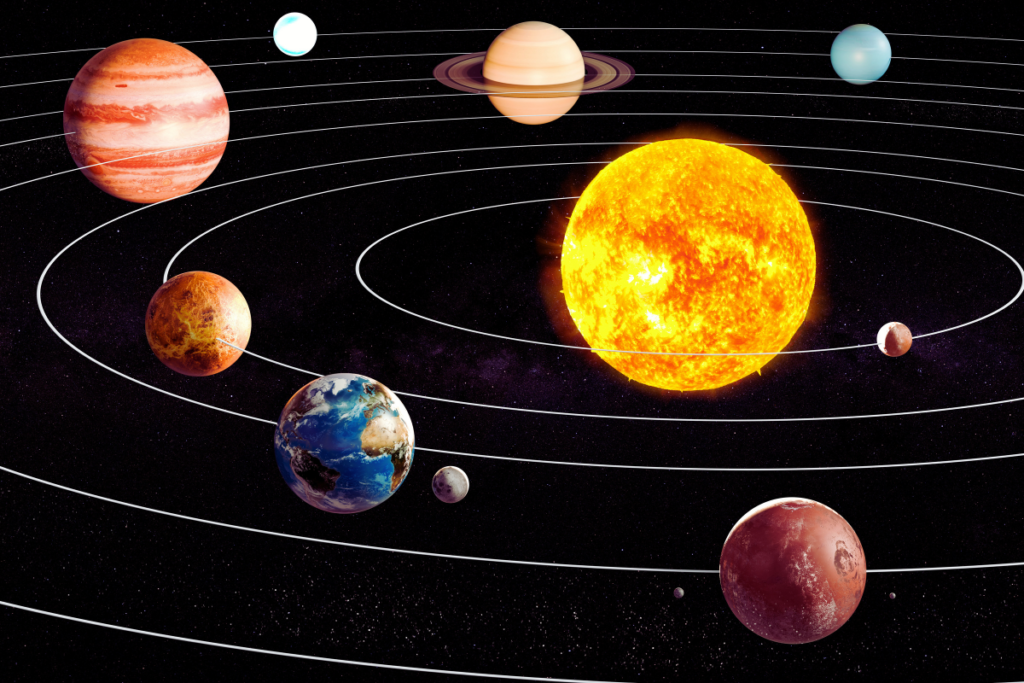
18. One Day on Venus Is Longer Than One Year
Venus rotates very slowly.
That’s why:
One Venus day is longer than its year
Time works differently on planets
19. There Are Billions of Galaxies
The universe contains billions of galaxies.
Each galaxy has:
Billions of stars
Possible planets
Space is much bigger than we imagine.
20. Astronauts Grow Taller in Space
In space:
Gravity is very low
Spine stretches
Astronauts typically grow about 2 inches taller during their time in space.
🧠 Daily Life Science Facts
21. Plants Can Communicate
Plants communicate using:
Chemicals
Roots
Smells
They warn other plants about danger.
22. Mobile Phones Carry More Germs Than Toilets
Phones are touched many times a day.
They collect:
Bacteria
Germs
Cleaning your phone is important.
23. Your Eyes Blink About 20,000 Times a Day
Blinking:
Protects eyes
Keeps them moist
Most people don’t even notice it.
24. Cold Water Boils Faster Than Hot Water (Sometimes)
This is called the Mpemba Effect.
Under certain conditions:
Cold water can freeze faster
Science is full of surprises
25. The Brain Is More Active While Sleeping
During sleep:
Brain processes memories
Brain solves problems
Sleep is important for learning.
🌱 Environmental Science Facts
26. Trees Improve Air Quality
Trees:
Absorb carbon dioxide
Release oxygen
One tree can support many lives.
27. Plastic Takes Hundreds of Years to Decompose
Plastic pollution is dangerous.
That’s why:
Recycling is important
Reducing plastic use matters
28. Earth Is the Only Known Planet with Life
So far, Earth is the only planet known to support life.
Scientists are still searching for life in space.
29. Rain Has a Smell
The smell after rain is called petrichor.
It comes from:
Soil bacteria
Plant oils
30. Science Is Always Changing
Science is not fixed.
New discoveries:
Improve knowledge
Change old ideas
That’s why science keeps evolving in 2026.
How Science Facts Help Students Learn Better
Science facts help students:
Understand concepts easily
Remember topics longer
Perform better in exams
Develop curiosity
Learning science this way makes education enjoyable.
Conclusion: 30 Interesting Science Facts for Students in 2026
Science is not difficult when it is explained the right way.
These 30 Interesting Science Facts for Students in 2026 show that science is:
Fun
Practical
Everywhere around us
If students learn science with curiosity instead of fear, learning becomes enjoyable.
Keep exploring.
Keep asking questions.
That’s how science grows—and so do you.
FAQs – 30 Interesting Science Facts for Students in 2026
1. Why are science facts important for students?
Science facts make learning simple, improve curiosity, and help students understand real-life concepts easily.
2. Are these science facts useful for exams?
Yes. Many facts help in:
General knowledge
Science exams
Projects and presentations
3. Which branch of science is best for beginners?
Biology and daily life science are best for beginners because they are easy to relate to real life.
4. Can science facts improve thinking skills?
Yes. Science facts improve:
Logical thinking
Problem-solving
Observation skills
5. How often should students learn science facts?
Students should learn 1–2 science facts daily to build strong understanding over time.
Also Read: Techlymate