
Future Technology Trends for Students: 10 Skills That Will Decide Your Career by 2030
Introduction
Today, the world is changing faster than ever before, whether it’s technology or artificial intelligence. The jobs that existed before are no longer there; new jobs have taken their place. And it’s also true that the jobs that exist today will be replaced by other jobs in the future.
But this doesn’t mean your job is at risk; it simply means you need to adapt, you need to change your skills, and you need to focus on what’s happening in the market. Today, AI and technology are not only changing the country and the world, but they are also going to change your future.
But before that, you need to change yourself. Many new careers are being created through technology today. Therefore, future technology trends for students are not just a trending topic; it’s a career survival guide. If you are a student right now, what you learn today will determine where you will be in 2030.
Today, a degree alone is not enough; your skills matter more. In this guide, you will learn 10 future-ready skills that can shape your career. These skills are practical, in demand, and suitable for students from any background.
What Are Future Technology Trends for Students?
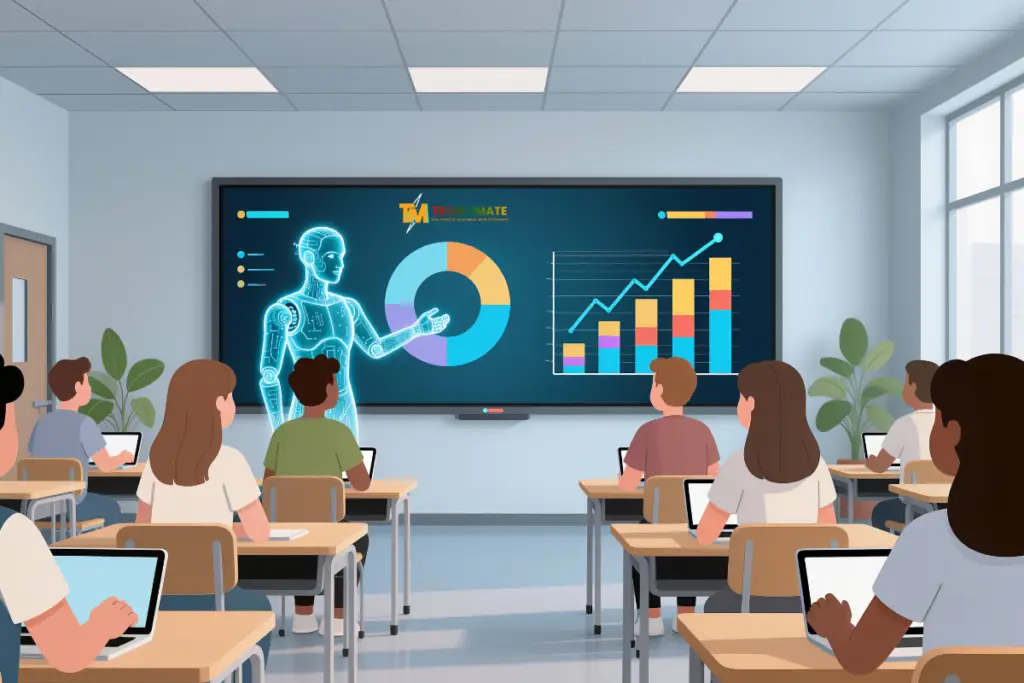
Future Technology Trends for Students focus on skills and tools that will shape jobs, businesses, and daily life in the years to come. In simple terms, these trends indicate to students where the world is heading and what they should begin learning today to stay ahead tomorrow. By understanding Future Technology Trends for Students, learners can choose the right subjects, courses, and practical skills that will matter most by 2030 and beyond.
These trends focus on:
Smart machines
Digital systems
Online work culture
Human + technology collaboration
Students who start early will always stay ahead.
If you want to learn more about future technologies, click here.
Why Students Must Prepare for Technology Trends Before 2030
Technology is changing faster than ever. The skills that are useful today may not be enough tomorrow. By 2030, many current jobs will change, and some will completely disappear. That is why students must start preparing early. Understanding Future Technology Trends for Students is no longer optional—it is necessary for a secure and successful career.
By understanding future technology trends for students, you can:
Choose the right career path
Avoid outdated courses
Build skills while studying
Earn online even as a student
10 Future Technology Skills That Will Decide Your Career by 2030
By 2030, technology will shape almost every sector, and students who master it will have a distinct advantage. Skills such as artificial intelligence, data analytics, cybersecurity, cloud computing, and automation will no longer be optional but essential.
Alongside technical skills, future careers will also demand problem-solving, creativity, digital communication, and adaptability. As machines take over routine tasks, individuals who can think critically and work effectively with technology will be in high demand.
Understanding future technology trends students helps learners choose the right skills, courses, and career paths before it’s too late. Students who start building these future-ready skills today will be more confident, more employable, and better prepared for tomorrow’s rapidly changing digital world.
Let’s explore each skill simply and practically.
1. Artificial Intelligence (AI) & Machine Learning Basics

Artificial Intelligence (AI) and Machine Learning (ML) are technologies that help machines think, learn, and make decisions like humans. AI is used in things like voice assistants, recommendation systems, self-driving cars, and even exam preparation apps.
Machine Learning is a part of AI that allows systems to learn from data and improve over time without being manually programmed again and again. Today, AI and ML are becoming a core part of Future Technology Trends for Students, because almost every industry—from education and healthcare to business and entertainment—is using these technologies in some form.
Why AI & Machine Learning Matter for Students (Key Points):
AI skills help students prepare for future jobs that do not even exist today
Understanding ML basics improves logical thinking and problem-solving skills
Many high-paying careers are connected to AI, data science, and automation
AI knowledge helps students use technology smarter, not just consume it
These skills are useful for students from all streams—science, commerce, and arts
Learning AI early gives students a strong advantage in Future Technology Trends for Students
How Students Can Start
- Learn AI basics online
- Understand how data works
- Practice with simple tools
AI knowledge is a must-have skill in future technology trends for students.
2. Data Literacy & Data Analysis

Data Literacy & Data Analysis are two of the most important skills in today’s digital world. Data literacy means understanding data—how to read it, question it, and use it in the right way. Data analysis goes one step ahead and focuses on collecting, cleaning, and analyzing data to find useful insights.
For example, companies use data analysis to understand customer behavior, improve products, and make smarter business decisions. Students who learn these skills can work in fields like marketing, healthcare, finance, technology, and even education.
Tools like Excel, Google Sheets, Python, and basic dashboards help students start easily. As technology keeps growing, data-driven decisions are becoming the norm, which is why data literacy and data analysis are counted among the Future Technology Trends for Students. Learning these skills early can give students a strong career advantage in the coming years.
What Data Skills Include
Reading data charts
Understanding numbers
Finding patterns
Making smart decisions
Where Data Is Used
- Marketing
- Healthcare
- Education
- Finance
Simple Start for Students
- Learn Excel or Google Sheets
- Study basic statistics
- Practice real datasets
Data literacy supports many future technology trends for students.
3. Coding & Programming Fundamentals

The fundamentals of coding and programming are the backbone of modern technology and an essential skill for the future. As part of future technology trends for students, learning languages like Python, JavaScript, or Java helps students understand how apps, websites, and software actually work.
Coding improves logical thinking, problem-solving, and creativity, skills that are valuable in almost every career. Even students who don’t aspire to be programmers can benefit, as basic coding knowledge makes it easier to work with AI tools, automation, and digital platforms.
In the coming years, students with a strong foundation in coding will have better job opportunities and greater career flexibility.
Popular Beginner Languages
Python
JavaScript
HTML & CSS
Why Coding Is Important
Improves logical thinking
Helps automation
Opens freelancing opportunities
Coding is one of the strongest future technology trends for students.
4. Cybersecurity Awareness

Cybersecurity awareness means understanding how to stay safe in the digital world, where technology is evolving rapidly. Today, students use the internet for studies, social media, online payments, and even for their future careers, which increases their vulnerability to cyberattacks.
Learning basic cybersecurity skills, such as creating strong passwords, avoiding phishing emails, and protecting personal data, is crucial. As part of future technology trends for students, cybersecurity awareness helps them become responsible digital users. It prepares them for future tech-driven jobs where data security and online privacy will be paramount.
Why Cybersecurity Matters
Data protection
Online privacy
Safe digital systems
Real Examples
Email scams
Account hacking
Fake websites
What Students Should Learn
Strong passwords
Online safety rules
Basic security concepts
Cybersecurity knowledge protects both career and personal life.
5. Digital Marketing & Online Branding

Digital marketing and online branding are becoming powerful career options for young students. With the rapid growth of AI, social media, and data-driven tools, students who learn digital marketing early can build strong personal and professional brands online.
Skills such as SEO, content creation, social media marketing, email marketing, and online advertising help students reach a global audience and create real income opportunities.
In the context of future technology trends for students, digital marketing and online branding teach students how technology, creativity, and strategy combine to shape modern careers. These skills are valuable not only for jobs but also for freelancing, startups, and personal growth in the digital world.
Digital Marketing Skills Include
SEO basics
Social media strategy
Content creation
Analytics understanding
Why Students Love This Skill
Low investment
Work from anywhere
Freelancing friendly
Digital marketing is a practical part of future technology trends for students.
6. Cloud Computing & Remote Tools

Cloud computing and remote tools are transforming how students learn, work, and build their careers. With cloud platforms, students can store data online, access software from anywhere, and collaborate with others in real time using tools like Google Drive, Zoom, and cloud-based coding platforms.
This means that learning is no longer confined to the classroom or a personal computer. As part of future technology trends for students, cloud computing helps them acquire practical skills, work on global projects, and prepare for remote jobs, which are becoming increasingly common across all industries.
Where Cloud Is Used
Online storage
Remote jobs
Team collaboration
Tools Students Should Know
Cloud storage platforms
Online collaboration tools
Basic cloud concepts
Cloud skills support flexible careers in the future.
7. Automation & No-Code Tools

Automation and no-code tools are transforming the way we work, especially for beginners. These tools allow students to create apps, websites, workflows, and automations without needing to learn complex coding.
Platforms like no-code app builders and automation software help save time, reduce errors, and turn ideas into real projects faster. For students, this means focusing more on creativity and problem-solving rather than syntax.
Learning automation and no-code tools is one of the key future technology trends for students, as it opens doors to freelancing, startups, and tech careers, even without a coding background.
Why Automation Matters
Saves time
Increases productivity
Reduces errors
Student-Friendly Examples
Automated email replies
Simple app builders
Workflow automation
Automation skills fit perfectly in future technology trends for students.
8. Critical Thinking & Problem Solving

Critical thinking and problem-solving are two of the most essential skills students need to develop to succeed in the future of technology. As technology continues to evolve, students will face new and complex problems that don’t have predetermined answers.
Critical thinking helps students analyze situations, ask the right questions, and understand problems in depth rather than simply accepting information at face value. Problem-solving skills enable them to find smart, practical, and creative solutions using logic and technology.
In the world of AI, data science, automation, and digital careers, these skills help students adapt quickly, make better decisions, and stay ahead in the ever-changing landscape of future technology trends for students.
Why This Skill Is Timeless
Helps decision-making
Improves creativity
Supports leadership
How Students Can Improve
Ask “why” questions
Solve real problems
Analyze situations
Critical thinking will never be replaced by machines.
9. Communication & Digital Collaboration

Communication & Digital Collaboration means using modern digital tools to connect, share ideas, and work together from anywhere in the world. Today, students use video calls, chat apps, cloud documents, and online classrooms to study, do group projects, and learn new skills with others.
These tools help students communicate faster, work as a team, and solve problems together in real time. In the coming years, strong communication and collaboration skills will be very important because Future Technology Trends for Students focus on remote learning, global teamwork, and digital workplaces where people from different countries work together online.
Important Communication Skills
Clear writing
Online meeting etiquette
Presentation skills
Why This Matters
Better teamwork
Strong leadership
Career growth
Good communication supports every future technology trend for students.
10. Lifelong Learning Mindset

A lifelong learning mindset means always being open to learning new skills, ideas, and technologies, no matter your age or background. In today’s fast-changing world, this mindset is very important because technology keeps evolving every year.
Students who continuously learn, unlearn, and relearn can easily adapt to new tools, careers, and challenges. When you follow Future Technology Trends for Students, having a lifelong learning mindset helps you stay updated, confident, and ready for the jobs of the future instead of feeling left behind.
Why Lifelong Learning Matters
Skills become outdated
New tools emerge
Career paths change
How Students Can Build This Habit
Read daily
Learn from failures
Upgrade skills regularly
A learning mindset keeps you future-proof.
How Students Can Prepare Step-by-Step (Action Plan)
Preparing for the future does not need to be confusing or stressful. If students follow a clear plan, they can easily adapt to Future Technology Trends for Students and build strong careers. Here is a simple, step-by-step action plan in short and easy English.
Step 1: Understand the Basics of Technology
Start by learning basic digital skills like using computers, the internet, and simple software tools.
This foundation helps students understand future technologies faster.
Step 2: Choose One Skill at a Time
Do not try to learn everything at once.
Pick one skill related to Future Technology Trends for Students, such as AI basics, coding, or digital marketing, and focus on it.
Step 3: Learn Through Online Platforms
Use free or affordable platforms like YouTube, online courses, and blogs.
Real-world examples help students understand how technology is used in daily life.
Step 4: Practice What You Learn
Practice is very important.
If you learn coding, write small programs.
If you learn design, create simple designs. Skills grow only with practice.
Step 5: Build Small Projects
Create small projects related to your skill.
Projects show your learning and prepare you for real jobs linked to Future Technology Trends for Students.
Step 6: Improve Communication Skills
Technology alone is not enough.
Good English, writing, and speaking skills help students explain ideas clearly and work in teams.
Step 7: Stay Updated Regularly
Technology changes fast.
Read tech blogs, follow experts, and watch short updates to stay aware of new Future Technology Trends for Students.
Common Mistakes Students Should Avoid
Chasing trends blindly
Ignoring basics
Learning without practice
Depending only on degrees
Future technology trends for students require smart learning, not rushed learning.
How These Skills Help in Real Careers
These skills help students:
Get better jobs
Start freelancing
Build startups
Work globally
Technology rewards skills, not shortcuts.
Conclusion
In the coming years, Future Technology Trends for Students will play a major role in shaping careers, opportunities, and personal growth. The skills discussed in this guide are not just for tech experts but for every student who wants to stay relevant in a fast-changing world.
By 2030, companies will value problem-solving ability, digital skills, creativity, and adaptability more than traditional degrees alone. Students who start learning these future-focused skills early will have a clear advantage in jobs, freelancing, startups, and even remote work.
The key is to stay curious, keep learning, and upgrade skills regularly. If students align their learning path with Future Technology Trends for Students, they can build a secure, flexible, and successful career in the future.
FAQ: Future Technology Trends for Students
1. What are the most important future technology trends for students?
AI, data skills, coding, cybersecurity, and digital marketing are the top trends.
2. Can non-technical students learn future technology skills?
Yes. Many skills, like digital marketing and automation, are beginner-friendly.
3. At what age should students start learning these skills?
Students can start from school level with basic concepts.
4. Do these skills help in freelancing?
Yes. Many future technology trends for students support freelancing careers.
5. How much time does it take to learn one skill?
Basic understanding takes 2–3 months with regular practice.
Also Read: Techlymate